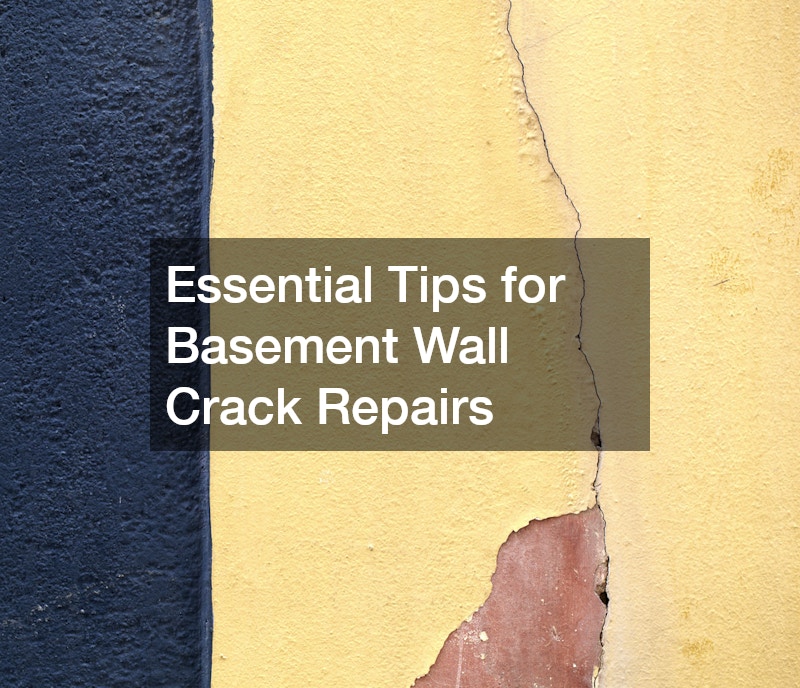
Maintaining the structural integrity of your home is essential, and timely basement wall repairs are a critical aspect of that maintenance. Unaddressed cracks in basement walls can lead to a cascade of problems, including water infiltration, mold growth, and even foundation instability.
Ignoring basement wall cracks can result in costly repairs down the line, as small issues tend to evolve into major defects. Additionally, unresolved cracks may significantly affect the resale value of your home by signaling potential buyers about underlying structural issues.
Therefore, homeowners must be proactive in assessing and addressing basement wall cracks. Whether these cracks are minor or indicative of a more serious problem, early intervention is key to preventing larger issues.
What Causes Basement Wall Cracks?
Understanding Environmental Factors
Environmental factors such as changes in weather patterns can have a significant impact on your home’s foundation. As temperatures fluctuate, the materials in the basement walls expand and contract, leading to increased susceptibility to cracks.
Soil pressure also plays a notable role in causing basement wall cracks. When the soil surrounding a foundation becomes too saturated, it can expand, putting pressure on the walls and leading to cracks.
Moisture levels are another environmental factor to consider. High humidity levels can exacerbate the rate at which materials deteriorate, making cracks more prevalent and causing greater damage over time.
Structural and Construction Issues
Poor construction practices are often the culprits behind basement wall cracks. If a foundation is not properly constructed, it is more prone to shifting and settling, which can lead to the development of cracks.
Foundation settling occurs naturally over time as the weight of the home causes the ground to compact. This settling can create stress points within the walls, resulting in cracks that require attention.
Even with well-constructed foundations, specific structural issues can arise over time. Changes in load distribution, alterations in building design, or other structural modifications can inadvertently lead to the formation of basement wall cracks.
How to Identify Serious Crack Problems?
Visual Inspection Techniques
Homeowners can begin their assessment of basement wall cracks through simple visual inspection techniques. Regularly checking for new or expanding cracks allows early detection of potential issues.
Different types of cracks, such as horizontal, vertical, or stair-step, can indicate various underlying problems. Understanding these differences is crucial in determining the severity of wall cracks.
Tools like a flashlight and a magnifying glass can aid in more closely examining small or hard-to-see cracks. Capturing photographs and measurements of cracks over time can also help in monitoring changes and understanding the progression of potential problems.
When to Consult a Professional
While many minor cracks can be addressed through DIY methods, there are instances where consulting a professional for basement wall crack repairs is necessary. Excessive cracking, persistent water leakage, or significant wall bowing are signs that indicate professional assessment is required.
Professionals have the expertise and tools to accurately diagnose the cause of the cracks and propose effective solutions. Furthermore, they can determine whether additional structural support is needed to rectify more severe issues.
It is essential to recognize when the complexity of a crack extends beyond a homeowner’s capacity for repair. Professionals can offer peace of mind by ensuring that your home’s structural integrity remains intact.
What Are Effective Repair Solutions?
Professional Repair Options
For serious or complex basement wall cracks, professional repair options may be warranted. Techniques such as wall stabilization and foundation underpinning offer long-term solutions for extensive structural issues.
Wall stabilization involves reinforcing the existing structure using methods like steel beam installation or carbon fiber reinforcement to prevent further movement and cracking. This specialized work often requires the knowledge and equipment that only professionals can provide.
Underpinning, on the other hand, is a more invasive process that stabilizes the foundation itself. By extending the foundation depth or breadth, underpinning addresses the root causes of settlement-induced cracks.
In summary, addressing basement wall cracks promptly is essential in maintaining the safety and value of your home. Understanding the various causes of wall cracks, from environmental influences to structural issues, helps homeowners identify and address problems early.
Whether through DIY techniques for minor cracks or engaging professionals for more severe issues, there are reliable repair solutions available. Ensuring the structural integrity of your home not only safeguards your investment but also provides peace of mind against potential hazards.
About the Author