Modern plumbing systems require solutions that are both efficient and minimally disruptive, especially when dealing with aging or damaged pipes. Pipe lining has emerged as an innovative technology that restores existing pipelines without the need for extensive excavation or replacement. By understanding how pipe lining works, its benefits, and the methods available, property owners and infrastructure managers can make informed decisions to protect and extend the life of their plumbing systems.
What is Pipe Lining and Why is it Important?
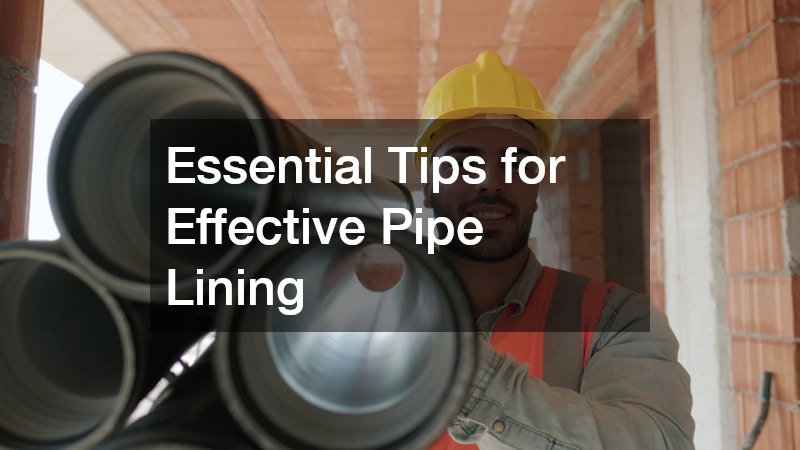
Pipe lining is a sophisticated plumbing technology that allows for the rehabilitation of existing pipe systems without the need for extensive excavation. It involves creating a new “pipe within a pipe” by lining the existing pipeline with a specialized material, thereby restoring its functionality and extending its lifespan. This non-invasive solution minimizes disruptions and is an eco-friendly alternative to complete pipe replacement.
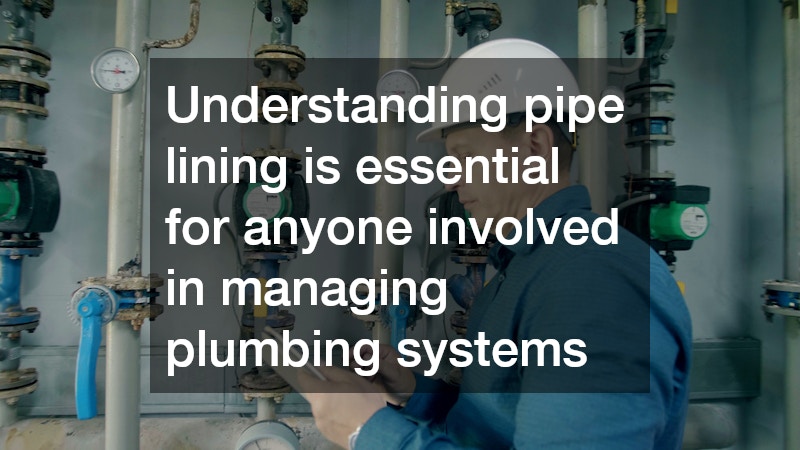
Understanding pipe lining is essential for anyone involved in managing plumbing systems, as it offers a strategic approach to maintaining infrastructure. The process typically begins with an inspection to determine the condition and compatibility of the pipe for lining. Once suitability is ascertained, the chosen lining material is inserted into the existing pipeline, effectively sealing and fortifying it against future damage.
Benefits of Pipe Lining
Pipe lining offers numerous benefits, making it a revolutionary approach in plumbing maintenance and repair. Primarily, it increases the longevity of existing pipes by creating a durable inner layer that resists corrosion and wear. This longevity translates to fewer repairs over time, offering cost savings and consistency in water delivery and drainage systems.
In terms of environmental impact, pipe lining significantly reduces waste compared to traditional pipe replacement. By maintaining the original pipes, this method avoids the disposal of outdated materials and the emissions involved in manufacturing and installing new ones. Additionally, the reduced need for excavation minimizes the disturbance of the surrounding environment.
Common Applications
Pipe lining is utilized in various domains, addressing common challenges faced by infrastructure and utility managers. In residential settings, it can remedy issues stemming from root intrusion, leaks, and pipe corrosion, which frequently cause blockages and water damage. Furthermore, pipe lining ensures a smooth flow within the systems, preventing the risk of subsequent damage.
In industrial and commercial sectors, pipe lining provides a means of maintaining extensive piping networks without hindering daily operations. Its application is fitting for facilities with expansive or intricate piping systems where downtime could impact productivity. The technology’s adaptability to different pipe sizes and materials enhances its usefulness across varying commercial applications.
How to Choose the Right Pipe Lining Method?
When selecting a pipe lining method, it is crucial to analyze the specific needs and condition of the pipeline in question. Common methods include Cured-In-Place Pipe (CIPP), slip lining, and spray lining, each offering different strengths. CIPP involves inserting a resin-saturated liner, hardened to form a solid pipe within the existing one, while slip lining employs a continuous pipe for stellar reinforcement, and spray lining coats the interior with a protective resin layer.
The choice of method must reflect the particular challenges presented by the pipe’s material, size, and accessibility. CIPP is highly adaptable, accommodating a variety of conditions and often preferred for its seamless installation. Conversely, slip lining is well-suited for larger diameter pipes requiring structural reinforcement, providing comprehensive repairs.
Cost and Durability Comparisons
The financial aspect of pipe lining can vary widely depending on the method chosen, pipe size, and condition. CIPP, despite a slightly higher upfront cost, can offer the best value due to its long lifespan and comprehensive coverage. Slip lining and spray lining may be budget-friendlier for particular applications, offering less expensive solutions for specific repair needs.
Durability is another critical factor, with each method promising an extended service life under appropriate conditions. CIPP, known for its structural resilience, often provides over 50 years of reliable service, justifying its investment. Slip lining also provides significant durability, yet may not match the seamless integrity CIPP provides against complete pipe failure.
How to Maintain Lined Pipes for Longevity?
Regular inspections focus on checking for signs of wear, such as cracks or leaks, ensuring the lined pipes remain in optimal condition. A careful assessment of joints and seals is also necessary, as they are often vulnerable to damage. Documentation of inspection results aids in creating a proactive maintenance checklist tailored to specific pipeline systems.
Cleaning and Repair Techniques
Cleaning lined pipes represents an essential proactive measure in maintaining their functionality and efficiency. Mechanically cleaning pipes using professional-grade tools is preferred, ensuring all debris and potential blockages are cleared without damaging the lining. Chemical cleaning should be employed with caution, using only compounds compatible with the lining material to prevent deterioration.
Minor repairs are sometimes necessary despite preventative efforts, making the use of patch liners a practical solution. These repairs can reinforce compromised sections of the pipeline, effectively extending the life of the system without requiring full relining.
Signs of Potential Issues
Spotting early warning signs of pipe deterioration can prevent expensive repairs and system failures. Reduced water pressure or abnormal water flow patterns often indicate a problem within the piping system, suggesting blockages or leaks. Additionally, unpleasant odors or visible signs of water damage in surrounding areas can be telltale indicators of pipe complications.
Corrosion, although less likely in lined pipes, can still occur under extreme conditions and should be addressed immediately. Recognizing early symptoms such as discoloration or metallic taste in water can preempt more severe pipeline issues.
Pipe lining represents a smart, sustainable approach to pipe rehabilitation, offering durability, cost savings, and reduced environmental impact. When the appropriate lining method is selected and supported by routine inspections and proper maintenance, lined pipes can deliver reliable performance for decades. By recognizing early warning signs and committing to proactive care, stakeholders can avoid costly failures and ensure long-term efficiency, making pipe lining a valuable investment in modern plumbing infrastructure.
About the Author