Extreme weather patterns put an incredible amount of stress on a home’s infrastructure. Whether you are facing intense summer heatwaves, freezing winter cold snaps, torrential rainstorms, or rapid freeze-thaw cycles, your property constantly withstands forces that can degrade its structural and mechanical integrity. Most major residential disasters rarely happen out of nowhere. Instead, small vulnerabilities—an uncleaned line, a slight tear in a barrier, a flickering igniter, or an unaddressed trickle of water—silently compound over time until a major weather event pushes a weakened system over the edge.
Taking a proactive approach to seasonal preparation transforms how your home performs when severe weather strikes. Rather than reacting to frantic midnight emergencies or scrambling for help when local technicians are fully booked, a routine walkthrough allows you to fortify your living space methodically. By systematically examining your cooling, heating, plumbing, structural, and outdoor systems, you protect your financial investment, maintain everyday comfort, and ensure your household stays safe regardless of what happens outside.
Fortifying Cooling Infrastructure Ahead of Peak Summer Heat
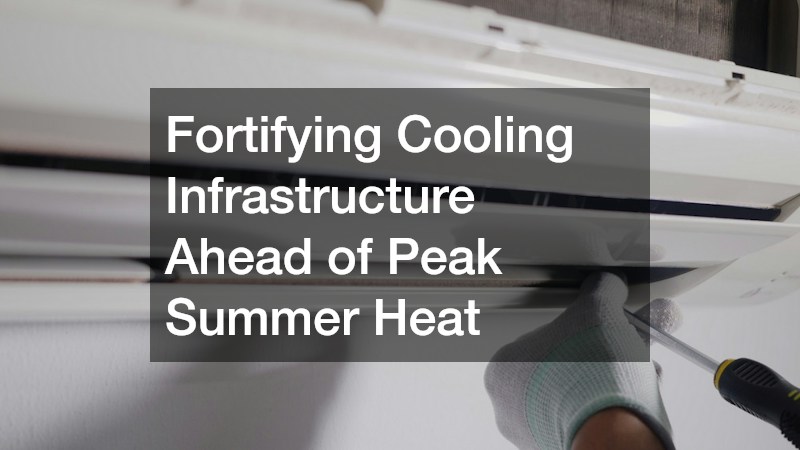
Preparing a home for intense heat begins with optimizing how heat is transferred out of your living space. Consider a typical July afternoon when temperatures spike into the high nineties for three consecutive days. Inside, the thermostat works continuously to keep living areas safe and comfortable. If the system’s outdoor condenser is choked with dried lawn clippings, fallen leaves, or encroaching shrubbery, the unit cannot release the heat it pulls from inside your home. The compressor works harder, electrical draw surges, and internal components reach temperatures that accelerate wear or cause sudden shutoffs.
To avoid a mid-summer crisis, start by walking around your exterior unit with a pair of shears and a garden hose. Clear at least two feet of open space around the entire perimeter of the cabinet. Gently wash away dirt and debris from the exterior fins using a light spray from your hose, being careful not to bend the delicate aluminum metal. Indoors, swap out your air filters every thirty to sixty days during peak usage months. A clogged filter starves the unit of air, which can cause the evaporator coil to drop below freezing and form a solid block of ice, effectively shutting down all cooling capabilities.
While basic maintenance like filter changes and washing outdoor fins falls squarely on the homeowner, complex mechanical issues require professional expertise. Enrolling in a yearly maintenance plan ensures that an experienced technician inspects electrical connections, checks refrigerant charges, and cleans internal coils. When a unit experiences severe electrical failure, continuous cycling, or refrigerant leaks, reaching out to licensed ac repair contractors becomes essential. Professional intervention restores performance safely and preserves the manufacturer warranty on expensive equipment.
Preventive care plays a pivotal role in extending the operational lifespan of your equipment. Scheduling a comprehensive ac service early in the spring ensures your system is evaluated before hot weather creates long wait times for service calls. A thorough spring tune-up verifies that electrical capacitors are firing within specification, drain pans are free of algae, and the motor runs efficiently, giving you complete peace of mind before the first major heatwave hits your region.
Securing Subfloor Spaces and Foundations Against Excess Water
High-volume rainfall and saturated soil pose a constant threat to what lies directly beneath your home. Water follows the path of least resistance, and when heavy storm fronts stall over a neighborhood, thousands of gallons of runoff cascade off your roof. If your gutter system fails to channel that runoff well away from the perimeter, water accumulates along the foundation footings. Over time, hydrostatic pressure forces moisture through porous concrete blocks, mortar joints, and small cracks, filling subfloor cavities with damp air or standing water.
A homeowner living on a sloped lot learned this lesson after an autumn storm dumped four inches of rain in less than twelve hours. Because their downspout extensions had been detached during lawn maintenance and never reconnected, rainwater pooled directly against the rear foundation wall. By the following morning, the crawlspace beneath the kitchen had three inches of standing water, which ruined floor insulation and created an environment ripe for mold growth within days.
Preventing subfloor moisture disasters involves a clear sequence of diagnostic and corrective steps:
- Inspect exterior drainage pathways during a heavy downpour to confirm that water flows away from the foundation rather than pooling near the walls.
- Reattach and extend downspouts so they discharge water at least five feet away from the home’s perimeter walls.
- Crawl beneath the home with a flashlight to check for signs of damp soil, torn plastic sheeting, or hanging insulation.
- Verify that sump pumps operate properly by pouring a bucket of water into the sump pit to trigger the float switch before storm season begins.
- Seal foundation vents tightly during winter months to keep freezing air from chilling the underside of your subfloor and exposed pipes.
When persistent water intrusion or severe humidity causes wood rot, buckled subfloors, or compromised structural joists, specialized intervention is necessary. Professional crawlspace repair services can install heavy-duty vapor barriers, encapsulate the space completely, and set up dedicated dehumidification systems. Encapsulation seals the subfloor off from exterior humidity swings, protecting joists from decay and improving overall indoor air quality throughout the upper living areas.
Preparing Heating Systems to Withstand Prolonged Winter Freezes
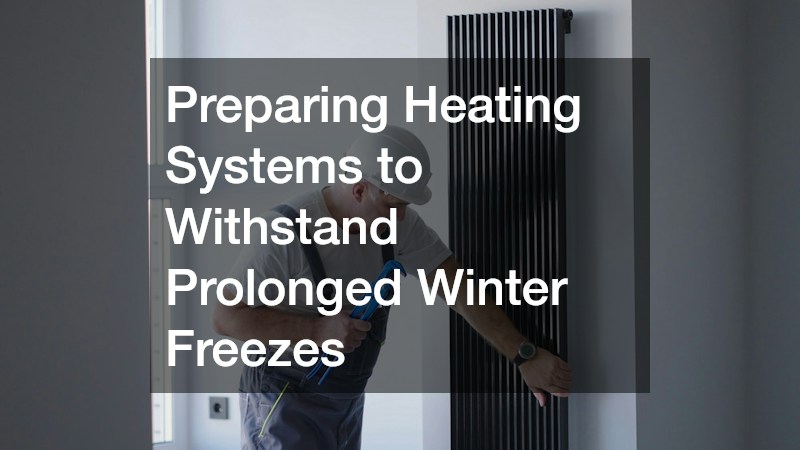
Winter storms bring a distinct set of challenges that test indoor heating appliances. When outdoor temperatures drop into single digits and remain there for days, your heating system operates almost continuously to offset heat loss through walls, windows, and ceilings. An unserviced furnace or boiler operating under this kind of stress is far more likely to suffer component failures, leaving your household without warmth during the coldest days of the year.
Thinking through a winter readiness plan requires evaluating how heat travels from your mechanical room into individual living spaces. If air ducts pass through unconditioned attics or crawlspaces, loose joints or missing insulation can siphon off a significant percentage of the heat your furnace produces. Inspect accessible ductwork for visible gaps or loose tape, and seal connections with specialized mastic or foil tape. Keep supply and return vents unblocked by furniture, curtains, or rugs to maintain proper air pressure and circulation across the entire system.
Burner assemblies and heat exchangers also demand careful visual monitoring. Dust accumulation on burners can lead to dirty flames and inefficient fuel combustion, while faulty igniters can prevent the burner from lighting altogether. When your heating system produces unusual clanking sounds, smells faintly of burning dust for extended periods, or fails to reach the set temperature on your thermostat, prompt heating repair prevents a minor component failure from causing complete system shutdown.
Addressing subtle mechanical issues early in autumn keeps your home safe and warm throughout severe cold snaps. When an older system exhibits erratic behavior, scheduling a targeted HVAC repair allows a professional to replace failing igniters, inspect the heat exchanger for dangerous hairline cracks, and calibrate gas valves. Keeping these central components tuned ensures smooth operation when winter weather conditions are at their worst.
Protecting Interior Plumbing Networks From Freezing Pressure
Water expands by approximately nine percent when it freezes. When water inside an exposed pipe turns to ice, it creates immense hydrostatic pressure between the ice blockage and closed faucets. This pressure spike, rather than the ice itself, ultimately causes copper, PVC, or PEX pipes to burst. A single ruptured pipe can release hundreds of gallons of water per hour into living rooms, ceilings, and basements, causing catastrophic property damage in a matter of minutes.
Consider the layout of your home’s plumbing network during a sub-zero night. Pipes running along exterior walls, through unheated garages, or inside drafty cabinets are particularly vulnerable. Opening cabinet doors beneath kitchen and bathroom sinks allows warm room air to circulate around exposed supply lines. On exceptionally cold nights, letting a few interior faucets drip at a slow, continuous trickle keeps water moving through the pipes, relieving internal pressure even if ice begins to form inside the line.
Knowing how to handle your main water supply line is your first line of defense during a freeze event:
- Locate your main water shutoff valve, clear away any stored items around it, and test the handle to ensure it turns smoothly.
- Fit foam pipe insulation sleeves over all exposed water lines running through unconditioned areas like basements, attics, and garages.
- Disconnect, drain, and store all outdoor garden hoses before the first hard freeze of the season.
- Install insulated foam covers over exterior hose bibbs to protect valve bodies inside the wall.
- Identify any slow drains or minor line blockages in advance, as static water in clogged lines freezes significantly faster than flowing water.
Establishing a relationship with dependable local plumbers ensures you have immediate support if a pipe fails during a severe cold snap. Beyond emergency response, professional plumbing services can inspect your system’s water pressure regulator, clear stubborn main line obstructions, and replace aging shutoff valves before winter conditions create sudden plumbing emergencies.
Managing High-Volume Waste Lines and Fuel Infrastructure

Gas lines and main sewer infrastructure endure quiet, continuous stress during extreme weather events. Heavy rainfall, rapid soil saturation, and ground movement caused by deep freeze-thaw cycles shift the earth surrounding buried utilities. If underground gas lines or main drain pipes are older or slightly compromised, shifting soil can crack connections, separate joints, or force tree roots through small fractures in the piping.
Natural gas line integrity is critical to household safety, especially during winter storms when fuel demand peaks. Homeowners should always remain alert to the early warning signs of gas line issues, such as a sulfurous rotten egg smell, unexplained whistling noises near gas appliances, or patches of dead vegetation in the yard directly above buried supply pipes. If ground shifting or corrosion damages these lines, certified gas line repair is required to fix leaking fittings, replace deteriorated pipe sections, and ensure all fuel-burning appliances receive safe, steady fuel pressure.
Waste lines face an equally tough challenge during severe storms. Torrential rain can overwhelm municipal sewer mains, causing wastewater to back up into private lateral lines. If your main waste pipe already suffers from structural sag or debris accumulation, heavy storm runoff can transform a slight restriction into a complete backup that floods basements or lowest-level bathrooms.
When a sink or tub develops a stubborn clogged drain, addressing it right away prevents wastewater from backing up into lower living areas. Avoid relying heavily on harsh chemical cleaners, which can degrade old metallic pipes over time. Instead, use a drain auger or call an expert to clear main line blockages safely, ensuring your waste system handles heavy storm volumes without backing up into your home.
Safeguarding Outdoor Living Amenities and Aquatic Installations
Outdoor features add substantial value and enjoyment to a property, but their constant exposure to the elements makes them exceptionally vulnerable to severe weather damage. Swimming pools, spas, outdoor kitchens, and custom water features require dedicated protection strategies to survive intense winter freezes and heavy summer storms. Leaving these assets unprotected can result in cracked pump housings, ruptured underground lines, and damaged interior surfaces.
A pool owner in a northern climate learned this after failing to drain their filtration system before an unexpected November freeze. Water trapped inside the pump strainer basket and heater manifold expanded as it froze, cracking the heavy plastic housings and splitting internal copper heating coils. The oversight resulted in thousands of dollars in replacement equipment and delayed the opening of their pool the following spring.
Proper winterization and storm care for outdoor amenities requires a structured maintenance routine:
- Balance pool water chemistry thoroughly before winter, adjusting pH, alkalinity, and calcium hardness to protect interior plaster or vinyl liners.
- Lower water levels six to eight inches below the skimmer mouth to accommodate winter precipitation and freeze expansion.
- Blow out underground plumbing lines using a high-volume air compressor, then install expander plugs in skimmer and return lines.
- Drain all water from pumps, filters, heaters, and chlorinators by removing the lower drain plugs.
- Store specialized equipment indoors or wrap outdoor mechanical pads with durable weather-resistant covers to shield them from ice and falling tree branches.
Consistent year-round pool maintenance keeps filtration systems running smoothly during summer heat and protects structural components throughout winter freezes. Inspecting pool covers regularly, monitoring water chemistry, and managing water levels prevents costly winter damage and ensures your outdoor space remains ready for the warm season.
Building a Long-Term Seasonal Maintenance Habit
Protecting your home against extreme weather is an ongoing effort that pays off over the life of your property. By treating home maintenance as a regular, seasonal routine rather than a series of unexpected emergencies, you gain control over your property’s performance and safety. Taking time each spring and autumn to inspect your cooling, heating, plumbing, and structural systems allows you to catch minor issues before they turn into major structural failures.
Every dollar and hour invested in preventive care shields your household from severe disruption during volatile weather events. As weather patterns become increasingly unpredictable, a well-maintained home remains your strongest defense. Build a personalized seasonal checklist, partner with trusted service professionals when necessary, and take proactive steps to keep your home safe, comfortable, and resilient all year round.
About the Author