
Many first-time buyers fall into the trap of reactive maintenance: waiting for something to break, overflow, or spark before giving it any attention. Unfortunately, deferring small, routine checkups almost always leads to catastrophic failures down the road.
Taking care of a home does not require an advanced degree in engineering, but it does require a proactive mindset, a basic understanding of your home’s core mechanical systems, and a clear sense of when a job is safe to do yourself and when it requires a licensed professional. This comprehensive guide breaks down the essential maintenance tasks across your power networks, air systems, and fire protection defenses so you can protect your financial investment and keep your household safe.
Safe Guarding Your Home’s Power and Wiring
Inspecting and Modernizing Your Electrical System
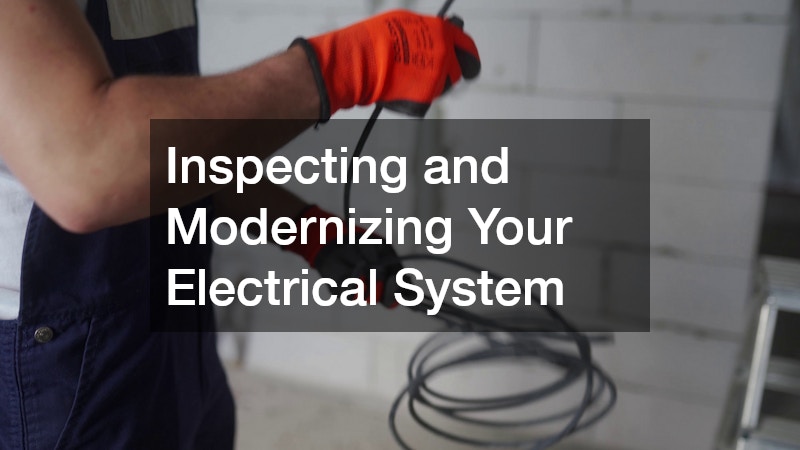
The electrical infrastructure hidden behind your drywall is the heartbeat of your modern lifestyle, powering everything from your kitchen appliances to your home office setup. Yet because most of this system remains invisible, it is often neglected until a breaker trips or an outlet stops working entirely.
Your initial focus should always be the main service panel, commonly referred to as the breaker box. Every new homeowner should take the time to identify and accurately label each circuit breaker. Knowing precisely which switch cuts power to the kitchen outlets, the primary bathroom, or the sump pump is vital during both routine maintenance and unexpected emergencies.
When evaluating an older panel, look out for outdated equipment. Homes constructed between the 1950s and 1980s may still contain panels manufactured by companies like Federal Pacific Electric (FPE) or Zinsco, which are known to have high failure rates and potential fire hazards. If your panel features screw-in fuses rather than modern toggle switches, or if you notice rust, scorch marks, or a faint burning smell around the box, arrange an inspection immediately.
In addition to the main box, you must regularly inspect your outlets and wall switches. Ground Fault Circuit Interrupter (GFCI) outlets—identifiable by the “Test” and “Reset” buttons on their faceplates—are legally required in areas where water is present, such as kitchens, bathrooms, basements, and outdoor walls. GFCIs monitor the balance of electrical current; if the outlet detects a current leak that could shock a person, it cuts off power in a fraction of a second.
To test your GFCI outlets:
- Plug a small lamp into the outlet and turn it on.
- Press the “Test” button on the GFCI. The lamp should shut off instantly, and the “Reset” button should pop out.
- Press the “Reset” button firmly. The lamp should illuminate again.
- If the button fails to trip or reset, the outlet’s internal mechanism has failed and must be replaced.
While replacing a simple wall switch or updating a light fixture can be a manageable weekend DIY task for an experienced home improver, major alterations, service panel upgrades, or rewiring projects carry significant risk. When troubleshooting complex wiring or installing heavy-duty appliances that require high-voltage connections, hiring a qualified electrical contractor helps ensure compliance with safety standards and regional codes.
Never attempt to alter main feeder cables, handle live service panels, or bypass protective breakers on your own. High-voltage electricity gives no warnings and leaves no room for error. Licensed electricians possess the specialized testing equipment, thermal imaging tools, and personal protective equipment required to diagnose hidden wire degradation, repair loose connections, and complete heavy-duty updates without putting your property at risk.
Preventing Sudden Electrical Hazards
Managing High-Demand Circuits and Storm Protection
Modern households consume significantly more electricity than homes built just a few decades ago. Between high-end kitchen appliances, climate control systems, electric vehicle chargers, and dozens of personal electronics, electrical circuits can easily become overloaded if not managed thoughtfully.
Circuit overloading occurs when more current flows through a wire than it’s rated to carry. This excess current generates heat, which can melt wire insulation and ignite surrounding wood framing or insulation inside your walls.
To prevent circuit overloads:
- Avoid daisy-chaining power strips or multi-outlet adapters into a single wall receptacle.
- Spread high-draw space heaters, hair dryers, and portable air conditioners across different circuits rather than plugging them into the same room outlet.
- Watch for warning signs like dimming lights when a refrigerator or AC compressor kicks on, warm outlet cover plates, or persistent breaker trips.
Another critical aspect of electrical safety is defending your home against voltage spikes. Power surges can originate from external sources—such as lightning strikes, power grid switching, or downed utility lines—or internal sources, like the cycling of heavy compressor motors. While point-of-use surge protectors help safeguard sensitive electronics like computers and TVs, they do not protect your major appliances, HVAC equipment, or hardwired smart devices. Installing a whole-home surge protection device directly at your main panel provides a robust defense against incoming voltage spikes.
In areas prone to severe thunderstorms, exterior protection becomes equally critical. Installing dedicated lightning protection services on rural or elevated homes diverts direct strike energy safely into the earth, preventing massive voltage surges from destroying your property’s electrical infrastructure.
Regular maintenance also involves inspecting visible wiring in basements, attics, and crawlspaces. Keep an eye out for wire insulation that has been chewed by rodents, frayed by friction, or damaged by physical impact. Don’t ignore buzzing outlets or intermittent power cuts; prompt electrical repair prevents arching and unexpected household electrical fires.
Breathing Easy with HVAC and Air Quality Care
Optimizing Heating, Cooling, and Indoor Air Hygiene
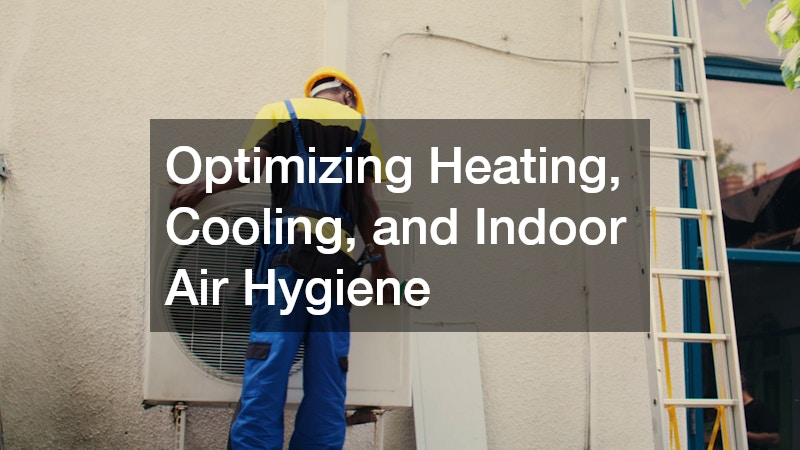
Your Heating, Ventilation, and Air Conditioning (HVAC) system does more than adjust the indoor temperature; it actively circulates, filters, and conditions the air your family breathes every day. Neglecting basic HVAC maintenance leads to poor indoor air quality, higher monthly energy bills, and premature system breakdown.
The most frequent and impactful task you can perform is changing your HVAC air filters. Standard pleated filters should generally be checked monthly and replaced every 30 to 90 days, depending on factors like pet ownership, local dust levels, and household allergies. A dirty filter forces your blower motor to work significantly harder to pull air through the system, which strains internal components and increases energy consumption.
For optimal system health, follow this routine maintenance schedule:
- Monthly: Check the air filter.
- Every 3 Months: Inspect exterior heat pump or AC condenser units.
- Bi-Annually (Spring/Fall): Clean indoor supply vents and return grilles with a vacuum brush attachment.
- Annually: Pour a cup of plain white vinegar down the indoor condensate drain line access port to prevent algae and mold growth.
While routine filter changes and vent cleaning are easy DIY tasks, the interior ductwork of your home can accumulate substantial amounts of dust, construction debris, mold spores, and pet hair over the years of operation. Scheduling professional duct cleaning every 3 to 5 years removes accumulated debris, construction dust, and pet dander from deep inside your ventilation system, improving airflow and overall indoor air quality.
Early Fire Protection and Warning Systems
Establishing Active Defenses Against House Fires
When a structural fire breaks out, every second counts. Having a fully functional, properly distributed fire detection and suppression network provides the early warning needed to get your family out safely and limit property destruction.
Start by auditing your home’s smoke and carbon monoxide (CO) detectors. Detectors should be installed inside every bedroom, outside each separate sleeping area, and on every level of the home, including the basement. Carbon monoxide detectors are required if your home features fossil-fuel appliances (such as a gas furnace, water heater, or fireplace) or an attached garage.
Maintenance steps for alarm systems include:
- Monthly Testing: Press and hold the test button on each unit until the audible alarm sounds.
- Battery Replacements: Replace alkaline batteries every 6 to 12 months, or immediately when the unit chirps to signal a low battery.
- Whole Unit Replacement: Replace smoke detectors every 10 years from their date of manufacture. CO sensors expire faster, typically requiring replacement every 5 to 7 years.
- Cleaning: Gently vacuum detector covers every few months.
If your home features an integrated security or life-safety panel, consult a certified fire alarm company to test signal transmission and sensor accuracy. These professional systems monitor detectors continuously and automatically alert emergency services during an event, making regular verification of their signal connections vital.
In addition to detection systems, portable fire extinguishers are an essential home defense line. You should keep at least one multi-purpose Class ABC extinguisher on every level of your home, with dedicated units placed in the kitchen, garage, and furnace room. Class ABC extinguishers are designed to put out common combustibles (wood, paper), flammable liquids (grease, gasoline), and energized electrical equipment.
Extinguishers must be kept accessible, never blocked behind stored clutter. Perform a brief annual fire extinguisher inspection by checking the pressure gauge, safety pin, and nozzle for blockages. Ensure the needle rests squarely in the green operational zone; if the needle drops into the red recharge zone or the outer shell shows heavy rust or damage, replace or service the extinguisher immediately.
Advanced Residential Fire Suppression Systems
Maintaining Automatic Sprinklers and Fire Barriers
An increasing number of modern single-family homes and townhomes come equipped with built-in residential fire sprinkler systems. These automated systems react to ambient heat from a fire, opening individual sprinkler heads to douse flames directly at the source long before emergency services arrive on the scene.
While residential fire sprinklers are exceptionally reliable, they require periodic attention to remain operable:
- Maintain clearance around sprinkler heads
- Keep furniture, tall shelving, and light fixtures at least 18 inches below sprinkler heads
- Protect sprinkler pipes from freezing temperatures
- Visually check the main control valves monthly
Specialized fire sprinkler contractors should perform backflow and pressure tests periodically to ensure the system activates instantly during a fire event. These specialists check the integrity of backflow preventers, clear pressure gauges, test alarm flow switches, and flush the system to prevent mineral buildup from restricting flow.
Passive fire barriers in your home also require maintenance attention. The wall separating your attached garage from the living space acts as a fire barrier designed to delay the spread of fumes and flames. Inspect this firewall for cracks, unsealed pipe penetrations, or damaged drywall, and repair them promptly with fire-rated joint compound or fire-block sealant. Ensure the door leading from the garage into your home is solid-core or fire-rated, closes fully on its own, and features an intact weather-stripping seal.
Emergency Response and Property Recovery
Taking Immediate Action When Disaster Strikes
Even with diligent routine maintenance, unexpected events like sudden plumbing failures, electrical fires, storm damage, or appliance leaks can still strike your home. Knowing how to react in the immediate aftermath of a structural emergency minimizes safety risks and stops secondary damage from cascading through the building.
The absolute first priority during an emergency is human safety. Evacuate the premises immediately if you detect active fire, gas leaks, or structural instability, and call emergency services from outside the home. Once the immediate safety threat is controlled, taking swift, methodical action will protect your property value and simplify insurance claims.
Essential emergency response actions include:
- Locating Main Cutoffs: Ensure every adult in the house knows the exact locations of the main water shutoff valve, the primary electrical breaker panel, and the main gas shutoff valve.
- Documenting Everything: Take comprehensive, high-resolution photographs and video footage of all affected areas, damaged belongings, and structural issues before touching or moving anything.
- Preventing Secondary Damage: If safe to do so, turn off the main water line during a pipe burst, or cover breached roofs and broken windows with heavy tarps to block weather intrusion.
- Notifying Insurance Promptly: Contact your homeowner’s insurance carrier to start the claims process and receive guidance on emergency remediation steps.
Dealing with fire, smoke, and major water intrusion requires specialized equipment and expertise that goes beyond typical home cleaning techniques. Water used during firefighting efforts can trap moisture inside wall cavities, beneath hardwood floors, and within insulation, creating an ideal environment for dangerous mold growth within 24 to 48 hours.
Partnering with an experienced restoration company guarantees that smoke odors and trapped structural moisture are addressed before mold sets in. These experts utilize industrial air movers, commercial dehumidifiers, thermal imaging cameras, and moisture meters to dry out the structural framework thoroughly.
Engaging a specialized fire damage restoration service helps clean delicate electronics, salvage family heirlooms, and safely rebuild damaged framing. They have the technical training to strip away charred drywall, apply specialized soot sealers, and use industrial hydroxyl generators to remove deep-seated smoke odors from structural timbers, ensuring your home is fully safe to inhabit again.
Securing Your Investment Through Consistent Care
Taking ownership of your home’s ongoing care is one of the most effective ways to protect your family, preserve your property value, and avoid unexpected financial stress. While the list of responsibilities can initially feel overwhelming to a new buyer, breaking these tasks down into routine monthly, seasonal, and annual habits makes property management entirely approachable.
By taking time to understand your home’s internal systems, performing basic routine inspections, and knowing when to bring in qualified professionals for complex mechanical work, you transform your home into a safe, efficient, and resilient sanctuary for years to come. Start small by building your custom seasonal maintenance checklist today, and take pride in actively protecting your most valuable asset.
About the Author