A small stain on the ceiling, a dripping faucet, or an unfamiliar noise from an appliance may not seem urgent. However, these minor warning signs can indicate developing problems that become more difficult and expensive to address over time. Homeowners who recognize changes early can often prevent extensive damage, avoid unexpected disruptions, and maintain a safer living environment.
Preventive maintenance does not require extensive technical knowledge or constant attention. It involves understanding how different parts of a home function, recognizing when something is wrong, and responding before a manageable issue becomes a major repair. With a few consistent habits and a practical approach to maintenance, homeowners can protect their properties while reducing unnecessary expenses.
Check for Hidden Leaks Before Water Damage Spreads
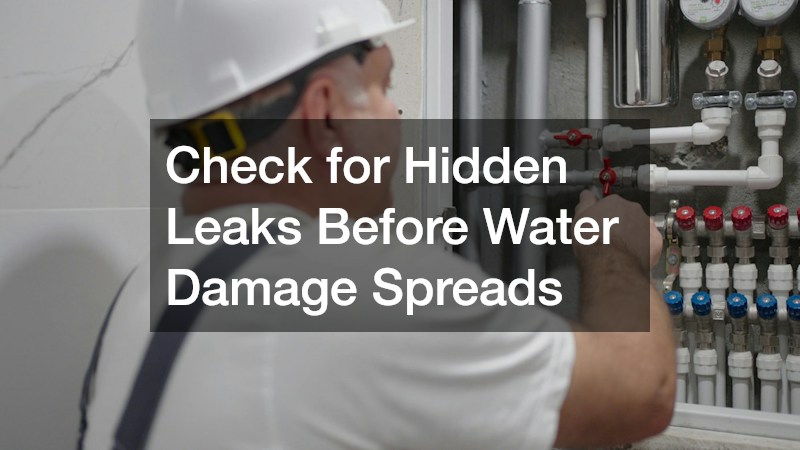
Water damage often begins in places homeowners rarely inspect. A slow leak beneath a kitchen sink might continue for weeks before anyone notices warped cabinetry or a musty smell. By then, moisture may have reached surrounding materials, creating additional repair needs.
Regularly examining plumbing fixtures is one of the simplest ways to catch these problems early. Look beneath sinks, around toilets, near washing machines, and along exposed pipes for moisture, discoloration, or corrosion. Even small water stains deserve attention because they can indicate leaks behind walls or beneath flooring.
Homeowners should also watch for changes in water pressure, unexpected increases in water bills, and toilets that continue running after flushing. These symptoms may indicate problems that are not immediately visible.
Drainage problems require similar attention. A sink that empties slowly may initially seem like a minor inconvenience, but recurring blockages can signal buildup deeper within the plumbing. Professional clogged drain repairs may become necessary when basic maintenance fails to restore normal drainage.
Avoid pouring cooking grease into sinks, and use drain strainers to catch food particles and hair. Chemical drain cleaners can damage certain plumbing materials and may create hazards during subsequent repairs.
When leaks persist or multiple fixtures develop drainage problems, a plumbing contractor can investigate the underlying cause. Addressing the source promptly helps prevent moisture from spreading into surrounding building materials.
Address Temperature Changes Before Equipment Breaks Down
Heating and cooling equipment rarely fails without some indication that performance is changing. A room that takes longer to reach a comfortable temperature, weak airflow from vents, or unfamiliar mechanical sounds can indicate developing issues.
Start with basic maintenance. Dirty air filters restrict airflow, forcing equipment to work harder to circulate conditioned air. Check filters regularly and replace them according to manufacturer recommendations and household conditions.
Keep supply vents and return grilles unobstructed. Furniture, rugs, and stored belongings can interfere with circulation, creating uneven temperatures throughout the home.
Outdoor equipment also needs attention. Leaves, grass clippings, and accumulated debris can restrict airflow around condenser units. Maintain the manufacturer’s recommended clearance and avoid placing landscaping materials against the equipment.
Some warning signs require professional HV AC repair rather than routine homeowner maintenance. Electrical odors, repeated shutdowns, persistent unusual noises, and significant performance changes should be evaluated promptly.
Scheduling periodic inspections with an HVAC company can help identify worn components, drainage issues, and developing mechanical problems. A technician can assess system operation and recommend appropriate corrective measures.
Ignoring small performance changes may allow equipment problems to worsen, particularly during periods of heavy use. Early attention supports more reliable operation and helps homeowners avoid unexpected comfort disruptions.
Inspect Your Garage Door for Early Warning Signs

A garage door may operate several times daily without receiving much attention. Because its moving components experience repeated mechanical stress, small problems can gradually affect both reliability and safety.
Consider a door that begins making a scraping noise when opening. Initially, the sound may seem harmless. Over time, however, worn rollers, damaged hardware, or track alignment problems can interfere with movement.
Homeowners should periodically observe the door during normal operation. Watch for uneven movement, unusual vibrations, hesitation, or difficulty closing completely.
A basic visual inspection can reveal several concerns:
-
Loose or visibly damaged hardware
-
Cracked rollers or bent tracks
-
Frayed cables or damaged springs
-
Worn weatherstripping along the bottom
-
Debris interfering with the door’s movement
Keep accessible tracks clear of dirt and debris, and follow manufacturer instructions for lubricating designated moving parts. Avoid adjusting springs, cables, or high-tension hardware because these components can cause serious injuries.
Automatic safety features also deserve regular testing. Check photoelectric sensors and the automatic reversal mechanism according to the manufacturer’s instructions.
Professional garage door repairs are appropriate when the door moves unevenly, produces persistent mechanical noises, or has damaged components. Addressing these issues promptly can prevent additional wear and reduce the risk of sudden malfunction.
Keep Outdoor Surfaces From Developing Serious Damage
Driveways and walkways experience constant exposure to changing temperatures, vehicle traffic, and moisture. Small cracks may initially appear cosmetic, but they can provide openings for water to penetrate beneath the surface.
As moisture enters these openings, underlying materials may weaken. Repeated expansion and contraction, soil movement, and traffic loads can eventually produce larger cracks, depressions, or deteriorating edges.
Asphalt surfaces are particularly vulnerable when drainage problems allow water to collect in damaged areas. Homeowners should inspect paved spaces periodically, especially after heavy rainfall or seasonal temperature changes.
Look for narrow cracks, crumbling edges, standing water, and areas that appear to be sinking. Small, stable cracks may be suitable for sealing with products designed for the surface and local conditions.
Before applying any material, clean the affected area and follow the product manufacturer’s preparation and application instructions. Sealing a crack without addressing underlying movement or drainage problems may provide only temporary improvement.
Vegetation growing through pavement openings should also be addressed. Roots can contribute to deterioration, while accumulated organic material may retain moisture.
Widespread cracking, recurring depressions, or significant surface movement may indicate problems beneath the pavement. Professional evaluation can determine whether localized maintenance or more extensive restoration is appropriate.
Examine Your Roof Before Minor Leaks Spread

Roof damage is not always obvious from inside a home. A missing shingle or deteriorating flashing may allow small amounts of water to enter without immediately producing visible ceiling stains.
Over time, repeated moisture exposure can damage roof decking, insulation, and interior finishes. A leak that begins near a roof penetration may eventually appear several feet away because water can travel along structural components.
Homeowners should examine their roofs from the ground after major storms. Binoculars can help identify missing shingles, displaced materials, or visibly damaged flashing without climbing onto the roof.
Interior warning signs are equally important. Discolored ceilings, peeling paint near upper walls, and unexplained attic moisture may indicate water intrusion.
Gutters and downspouts also influence roof performance. When debris blocks drainage, water may overflow or collect near vulnerable roof edges. Keeping drainage pathways clear helps reduce unnecessary moisture exposure.
Experienced home roofers can inspect areas that are difficult to evaluate safely, including flashing around chimneys, vents, and roof transitions. They can also determine whether damaged materials require localized repairs or broader attention.
Avoid walking on roofs without appropriate training and safety equipment. Steep slopes, wet surfaces, and weakened materials create substantial fall hazards.
Promptly investigating suspicious stains or visible damage is generally more practical than waiting for a leak to become severe.
Prevent Landscape Watering From Damaging Your Property
A healthy lawn should not come at the expense of a home’s foundation, siding, or outdoor surfaces. Poorly directed watering can create moisture problems that develop gradually and remain unnoticed.
For example, a sprinkler head that consistently sprays against exterior siding may keep the same area damp for extended periods. Depending on the building materials and conditions, repeated exposure can contribute to deterioration.
An irrigation system should distribute water where landscaping needs it rather than toward buildings, paved areas, or neighboring properties.
During an inspection, observe the equipment while it operates. Check for broken sprinkler heads, leaking connections, uneven spray patterns, and water collecting near exterior walls.
Adjust watering schedules to reflect rainfall, seasonal temperatures, soil conditions, and plant requirements. Excessive watering wastes resources and can contribute to saturated soil.
Drainage deserves particular attention near foundations. Although occasional surface moisture is normal, persistent standing water may indicate grading, drainage, or watering problems.
Homeowners should also watch for unusually green patches surrounded by dry grass. These areas sometimes indicate underground leaks that allow water to accumulate beneath the surface.
Correcting sprinkler alignment and repairing damaged components can improve watering efficiency while reducing unnecessary moisture exposure. Where drainage problems continue despite these adjustments, a qualified professional can assess the surrounding landscape.
Recognize Cooling Problems Before Summer Heat Arrives

A cooling system that struggles during mild weather may become increasingly unreliable when outdoor temperatures rise. Identifying performance changes before peak summer conditions can help prevent uncomfortable interruptions.
Imagine noticing that the upstairs bedrooms remain warm even though the thermostat indicates the desired temperature. The problem might involve restricted airflow, duct leakage, thermostat placement, or equipment performance.
Rather than immediately assuming the entire system needs replacement, begin with safe, straightforward checks.
Confirm that thermostat settings are correct and that supply vents are open. Inspect the air filter, and make sure the outdoor unit is not surrounded by leaves or vegetation.
Pay attention to moisture around indoor cooling equipment. Condensate drainage problems can allow water to accumulate, potentially damaging nearby flooring or building materials.
Persistent warm airflow, repeated cycling, frozen components, or unusual sounds may indicate a need for professional ac repair. Refrigerant handling, electrical diagnostics, and internal mechanical work should be left to qualified technicians.
Do not repeatedly restart equipment that trips breakers or displays signs of electrical trouble. Shut it down and arrange an appropriate inspection.
Scheduling maintenance before periods of heavy cooling demand gives homeowners time to address developing problems. It also reduces the likelihood of discovering equipment failures during the hottest days of the year.
Stop Excess Moisture Before Mold Becomes Widespread
Moisture problems do not always begin with a major flood. A leaking pipe, poorly ventilated bathroom, or recurring condensation can create conditions that allow mold to develop.
The first indication may be a persistent musty odor. In other cases, homeowners notice discoloration around windows, beneath sinks, or along walls in damp spaces.
Mold prevention begins with controlling moisture. Repair leaks promptly, dry wet materials, and maintain appropriate ventilation in bathrooms, kitchens, and laundry areas.
Indoor humidity should generally remain below 60%, ideally between 30% and 50%, according to U.S. Environmental Protection Agency guidance. A hygrometer can help homeowners monitor conditions in moisture-prone rooms.
When water damage occurs, drying affected materials within 24 to 48 hours can help reduce the likelihood of mold growth. Porous materials that remain wet may require removal, depending on the extent of contamination.
Small areas of mold on suitable hard surfaces may sometimes be cleaned safely using appropriate methods and protective precautions. However, extensive contamination, sewage-related damage, and suspected growth inside walls require additional care.
A mold removal company can assess significant contamination and determine appropriate remediation procedures. Professional assistance may be especially important when affected areas exceed approximately ten square feet or when hidden contamination is suspected.
Removing visible growth without correcting the moisture source rarely provides a lasting solution. Effective prevention requires identifying why the area became damp and making changes that keep it dry.
Create a Monthly Inspection Routine That Catches Problems Early
Home maintenance becomes easier when inspections are part of a regular routine rather than a response to emergencies.
A monthly walkthrough does not need to take an entire afternoon. Begin in frequently used rooms and move through areas where problems may remain hidden, including utility spaces, closets, and storage areas.
Pay attention to changes rather than expecting every surface to look perfect. A small wall crack that has remained unchanged for years may be less concerning than a new crack that expands noticeably over several weeks.
Take photographs of suspicious areas and record the dates. Comparing images can help determine whether a condition is progressing.
It is also useful to keep a simple maintenance record that includes completed repairs, equipment servicing, and recurring concerns. These records can provide valuable context when professional assessments become necessary.
Seasonal inspections should supplement monthly checks. Before winter, examine exposed plumbing and weather seals where freezing temperatures are possible. Before rainy seasons, inspect drainage pathways and exterior areas vulnerable to water accumulation.
Homeowners can also set reminders for filter replacement, safety-device testing, and other manufacturer-recommended maintenance.
Consistency matters more than complexity. A manageable routine that homeowners actually follow is more valuable than an elaborate checklist that quickly becomes overwhelming.
Prioritize Repairs Based on Safety, Urgency, and Potential Damage
Not every household problem requires immediate professional attention. However, distinguishing between cosmetic concerns and potentially serious conditions helps homeowners use their maintenance budgets effectively.
Safety should always come first. Exposed electrical wiring, suspected gas leaks, structural instability, and malfunctioning safety equipment require prompt action. Suspected gas leaks warrant leaving the area and contacting the gas utility or emergency services from a safe location.
Active water leaks also deserve urgent attention because damage can spread quickly. When safe, shutting off the appropriate water supply may help limit further exposure while repairs are arranged.
Other concerns can be scheduled according to their severity. Peeling paint in a dry room may be less urgent than recurring condensation around a window or a growing crack near a doorway.
Homeowners should consider three questions when evaluating a problem: Does it create a safety risk? Could waiting cause additional damage? Is the condition becoming worse?
A dedicated maintenance fund can make necessary repairs easier to manage. Setting aside money regularly provides greater flexibility when unexpected expenses arise.
When the seriousness of a problem is unclear, obtaining a qualified assessment is often preferable to relying on guesswork.
Make Preventive Maintenance a Regular Habit
Preventing small home problems from escalating requires observation, consistency, and timely decisions. Minor leaks, unusual equipment behavior, surface deterioration, and recurring moisture can all indicate conditions that deserve attention before extensive damage occurs.
Homeowners do not need to solve every maintenance issue independently. Understanding basic warning signs, performing safe routine checks, and recognizing when professional expertise is necessary can make property care more manageable.
A practical maintenance schedule also helps spread responsibilities throughout the year instead of allowing problems to accumulate. By addressing concerns as they develop, homeowners can protect their living spaces, reduce avoidable disruptions, and maintain their properties with greater confidence.
About the Author