Key Takeaways
- Exterior paint is one of the highest-returning cosmetic upgrades, with industry data showing it can recover more than its cost at resale
- Academic research confirms that a home’s exterior presentation can measurably influence its final sale price by several percentage points
- Thoughtful landscaping, even on a modest scale, can lift property value significantly when plants are matched to climate and soil
- Focusing paint efforts on high-impact zones like the front door, trim, and shutters delivers visible transformation without a full exterior repaint
- Native and perennial plants reduce long-term maintenance costs while providing year-round visual structure
- Hardscape touches such as edged beds, fresh mulch, and clean walkways amplify the effect of paint and plants
- Planning projects in the right order, paint before planting, prevents damage and rework
The outside of your house is doing work whether you realize it or not. Neighbors form opinions. Appraisers take notes. Buyers decide within seconds whether they want to step inside. That split-second judgment is not just psychological fluff, it has been studied, measured, and priced.
According to researchers at the University of Texas at Arlington, curb appeal can represent as much as 7% of a home’s sale price. That figure is significant. On a $400,000 home, we are talking about nearly $28,000 tied directly to how the exterior looks from the sidewalk. Few interior renovations produce that kind of swing per dollar spent.
The good news is that the two most powerful levers, paint and landscaping, are also two of the most affordable. You do not need a contractor army or a designer on retainer. You need a plan, a weekend or two, and a clear sense of where attention actually pays off.
How Much Does Exterior Paint Really Cost?
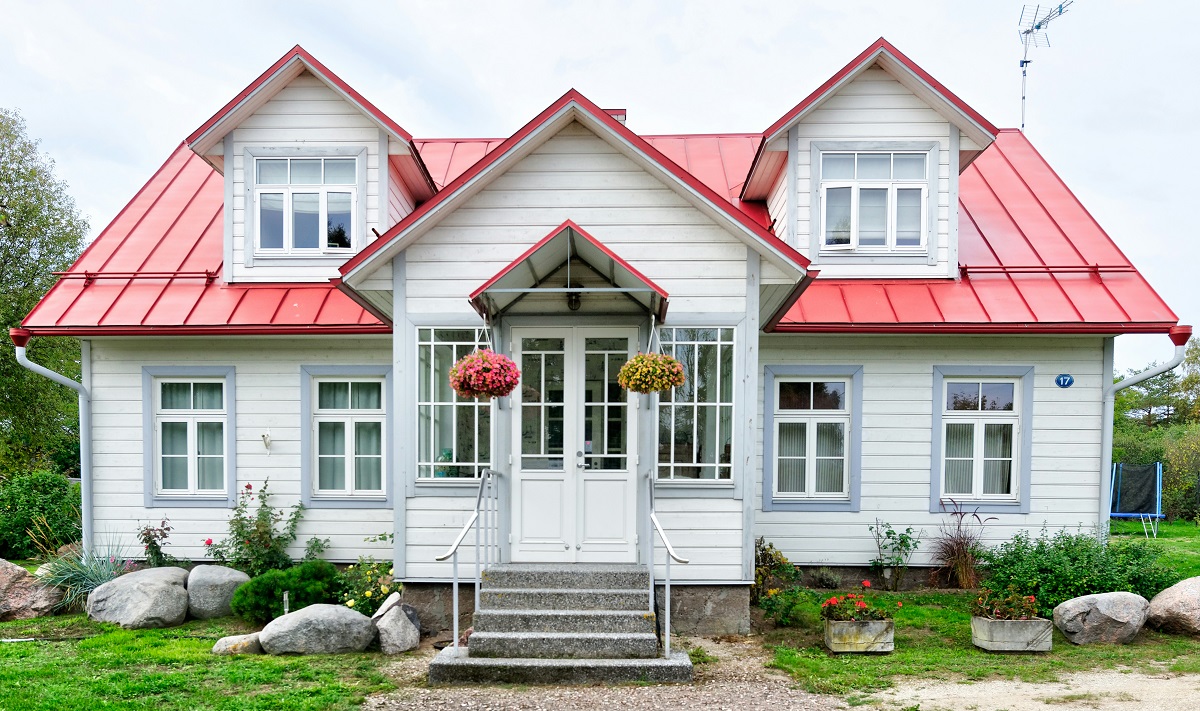
Paint is the single most transformative material you can apply to a home’s exterior. It covers wear, hides mismatched siding patches, modernizes dated color palettes, and signals that a property has been cared for. It also happens to be remarkably cost-effective relative to its visual impact.
Pricing varies by region, home size, and prep work. As reported by the National Association of Realtors through Angi, the national average cost to paint a home’s exterior in 2026 is $3,178, based on tens of thousands of verified projects. That sounds like a lot until you consider the resale math. The same organization’s 2025 Remodeling Impact Report found that exterior painting returns roughly 152% of its cost at resale, which is one of the highest recovery rates of any home improvement project.
If a full repaint is outside your budget, you can still capture most of the visual benefit by targeting the elements that draw the eye first:
- The front door, which acts as the focal point of the entire facade
- Window trim and shutters, which frame the house and define its style
- Porch columns and railings, which influence how inviting the entry feels
- Garage doors, which often occupy more visual real estate than the front door itself
- Mailboxes, house numbers, and light fixtures, which add polish for pennies
Picking Colors That Age Well
Trendy colors photograph beautifully but can look dated within a few years. For exteriors, lean toward timeless neutrals, soft whites, warm grays, muted greens, deep navies, and classic black for accents. Save bold personality for the front door, where a saturated color reads as confident rather than chaotic. Always test swatches on the actual house and view them in both morning and afternoon light before committing.
What Landscaping Actually Does to Home Value
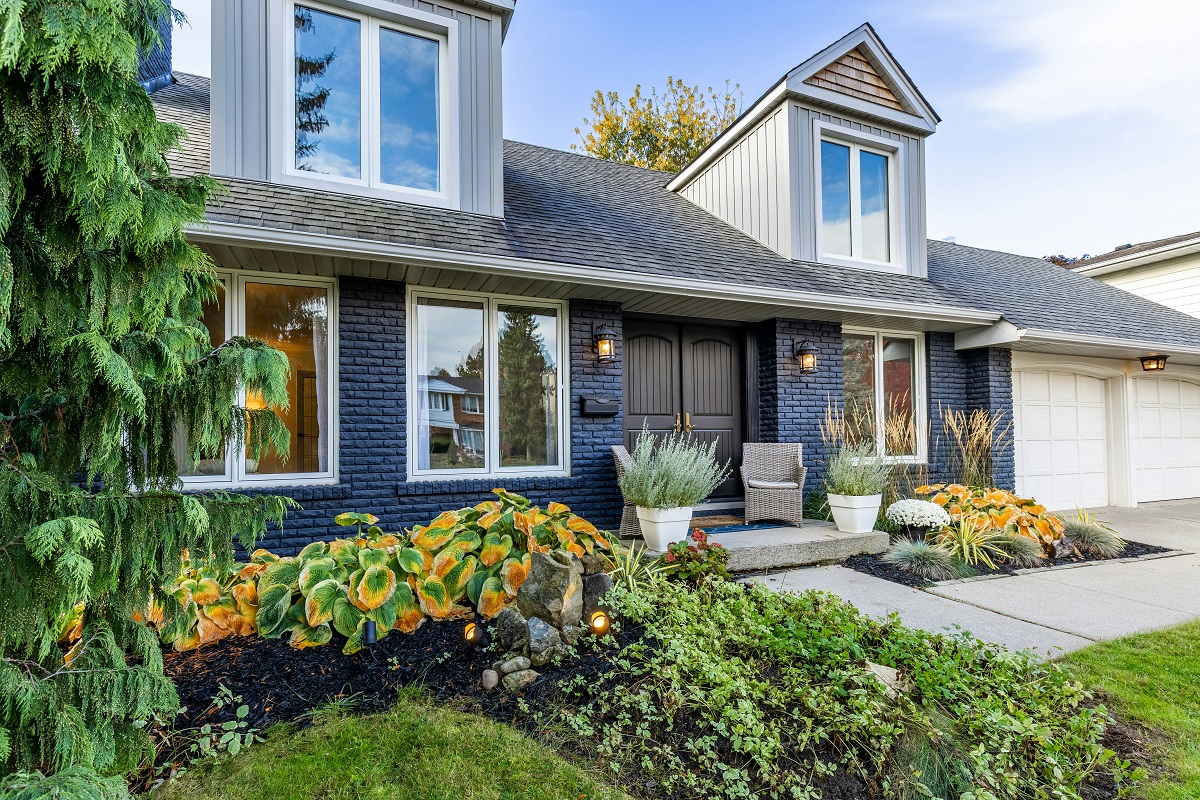
Plants are not decoration. They are architecture that happens to breathe. A well-planted yard creates layers, softens hard lines, and tells a viewer that the property is alive and tended. The financial impact is substantial.
According to NerdWallet, thoughtful landscaping can raise a home’s value by 10% to 30%. That range is wide because landscaping quality varies wildly, but even the low end dwarfs what most homeowners spend to achieve it. The key is working with what you have rather than tearing everything out.
Start by assessing your yard honestly. What is overgrown? What is dead? What is simply in the wrong place? Pruning, transplanting, and removing are free activities that often produce more impact than buying new plants. Once the existing palette is cleaned up, you can fill gaps strategically.
Choosing Plants That Pay You Back
Native species are almost always the smart choice. They tolerate your local climate, resist regional pests, require less water, and often attract pollinators that keep the whole yard healthier. Perennials cost more upfront than annuals but return year after year, which saves money over time. Group plants in odd numbers, three, five, or seven, for a more natural appearance, and vary heights to create depth rather than a flat green stripe.
Where to Spend First When Money Is Tight
Figuring out how to improve curb appeal on a budget comes down to sequencing. Spend first on the things that are visible from the farthest distance, then work closer to the door. A buyer or guest sees the roofline, the lawn shape, and the front door long before they notice whether your porch light is tarnished.
A sensible priority list for a tight budget looks like this:
- Mow, edge, and clean the lawn so the overall footprint reads as cared for
- Pressure wash siding, walkways, and the driveway to reset years of grime
- Paint the front door and refresh trim where paint is peeling or faded
- Mulch all planting beds with fresh hardwood or black mulch for instant contrast
- Add or replace house numbers and a porch light for a modern, finished touch
- Plant a few well-chosen shrubs or perennials near the entry to frame it
A new homeowner maintenance checklist can help you identify which exterior tasks need attention before you spend on cosmetic upgrades, since painting over rotten trim or planting around a drainage problem only hides issues temporarily.
Simple Ways to Elevate Curb Appeal Without Overspending
Once the big-ticket items are handled, small details carry the finish line. These are the touches that make a passerby think a designer was involved, even when the total spend was under a few hundred dollars.
Edging is one of the most underrated upgrades in all of residential landscaping. A clean, crisp line between lawn and planting bed creates visual order that reads as professional maintenance. You can cut edges manually with a half-moon edger in an afternoon, no powered equipment required. Pair fresh edges with new mulch and the yard looks like a different property.
Lighting is another low-cost high-impact category. Solar path lights have improved dramatically in recent years, and a set of six to eight lining the walkway transforms a house at dusk. Up-lighting a single specimen tree or architectural feature creates drama that lingers in memory long after the sun goes down.
Container gardens let you add color exactly where you wantit without committing to full planting beds. A pair of matching planters flanking the front door reads as intentional and welcoming, and you can swap contents seasonally without replanting a single square foot of yard. Choose containers in a material that complements your siding, terracotta for warm palettes, black metal for modern facades, glazed ceramic for traditional homes.
Do not overlook the driveway and walkway surfaces themselves. Cracks filled with fresh sealant, weeds pulled from between pavers, and a quick pressure wash can make concrete that looked tired for years suddenly appear nearly new. If your driveway is asphalt, a sealcoat every few years costs a fraction of replacement and restores that deep black finish that frames the entire property.
Smart Projects That Punch Above Their Price
Some upgrades sit in a sweet spot where cost is low but perceived value is high. Replacing a dented metal mailbox with a solid post-mounted version runs under a hundred dollars and reframes the view from the street. Swapping a plastic builder-grade porch light for a substantial fixture in oil-rubbed bronze or matte black does the same at the entry. Window boxes under first-floor windows add charm that feels custom even when the boxes themselves came from a big-box store.
For homeowners ready to think beyond cosmetic fixes, there are larger projects to boost curb appeal that build on the foundation paint and planting provide, things like new siding sections, updated roofing accents, or a rebuilt front porch. Knowing what the next tier looks like helps you make budget choices today that will not need to be undone later.
Sequencing Your Weekend Projects the Right Way
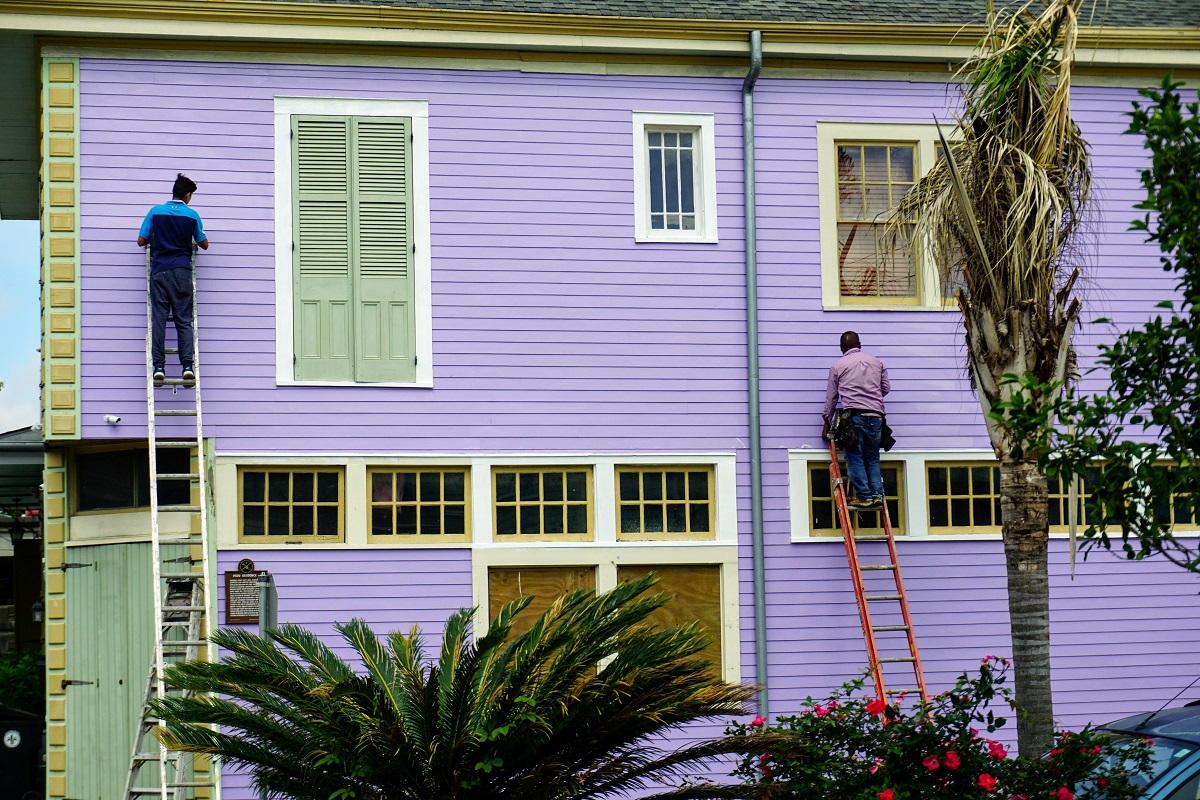
Order of operations matters more than most homeowners realize. Painting before planting is almost always correct, because ladders, drop cloths, and paint splatter are enemies of tender foliage. If you plant first and paint second, you will either damage new growth or spend the whole project tiptoeing around it.
A rational weekend-by-weekend sequence looks something like this:
- Weekend one: deep clean. Pressure wash siding, walkways, driveway, and the front porch. Let everything dry fully.
- Weekend two: repairs. Scrape peeling paint, patch holes, replace rotten trim boards, and caulk gaps around windows and doors.
- Weekend three: paint. Front door, trim, shutters, porch, and any accent surfaces that need refreshing.
- Weekend four: hardscape. Edge beds, repair walkway cracks, install new house numbers, lighting, and mailbox.
- Weekend five: plant. Add shrubs, perennials, mulch, and container arrangements last, when the backdrop is complete.
This sequence also lets each stage dry, cure, or settle before the next begins, which protects your work. It gives you a chance to reassess after each phase too, since finishing one step often changes what the next one needs to do.
Budgeting Across a Full Season
If you spread these projects across a spring and summer, the total investment for a dramatic transformation typically lands somewhere between $800 and $2,500 for most single-family homes, depending on how much paint you apply yourself and how many plants you buy mature versus small. That is a fraction of what a single kitchen cabinet run costs, and it is visible from the street every single day. Few other improvements can boost curb appeal with that kind of efficiency per dollar.
Keep receipts and before-and-after photos as you go. If you ever sell, this documentation helps appraisers and buyers understand the care that has gone into the property, which supports the pricing math discussed earlier.
Mistakes That Quietly Undo Your Work
Even careful homeowners sometimes sabotage their own efforts. A few patterns show up again and again:
- Planting too close to the foundation, which looks fine for one season but becomes a maintenance nightmare within three years
- Choosing paint colors that clash with permanent elements like brick, stone, or roof shingles
- Over-mulching around tree trunks, which suffocates roots and shortens tree lifespan
- Installing too many different plant varieties, which creates visual chaos instead of cohesion
- Skipping prep work on paint projects, which causes peeling within a year or two
- Ignoring the backyard entirely, which matters more than people think once a buyer walks the property line
The fix for most of these is patience. Plan the full vision before buying a single gallon or plant, and resist the urge to fill every empty space immediately. Mature landscaping looks intentional because it was given room to grow into itself.
Final Thoughts
Transforming the way your home presents itself to the world does not require a renovation loan or a landscape architect. It requires paying attention to what the street sees, choosing a handful of high-impact targets, and executing them in the right order. Paint handles the architecture. Plants handle the life. Together they create the kind of first impression that holds financial value long after the brushes are cleaned and the trowels are put away.
The homes that look best on their block are rarely the most expensive ones. They are the ones whose owners understood that cohesion beats extravagance, that a freshly painted door and crisply edged beds read as pride, and that small consistent efforts compound into something a passerby cannot help but notice. That is the quiet advantage of working with paint and plants rather than against them.
Start with one weekend, one project, one visible change. Stand at the curb afterward and look at what you did. Then plan the next one. By the end of a season, your house will not just look different, it will feel different to come home to, and that is the return no spreadsheet can quite capture.
About the Author