The modern home is more than a shelter; it is a sanctuary, an office, a gym, and a gallery of personal expression. Creating a space that feels as good as it looks—balancing “comfort” with “aesthetic”—is the hallmark of successful homeownership. However, this balance is rarely accidental. It is the result of intentional maintenance, strategic remodeling, and thoughtful landscaping.
To achieve a home that truly nourishes the soul, one must look beyond the surface level of paint colors and throw pillows. True comfort is found in the invisible systems that keep us warm, the structural integrity that gives us peace of mind, and the seamless flow between our indoor and outdoor lives. This guide explores how to weave these elements together into a cohesive, beautiful, and highly functional living environment.
The Invisible Foundation: Climate Control and Air Quality

The most beautiful room in the world fails the comfort test if it is drafty in the winter or stifling in the summer. Thermal comfort is the baseline of home satisfaction. When we think of aesthetics, we often think of what we see, but how a room feels—the humidity levels and the stillness of the air—dictates how much time we actually want to spend in it.
Modern climate control is moving toward “invisible” integration. Gone are the days of noisy, clunky window units that ruin a room’s sightlines. Today’s sophisticated homeowners prioritize high-efficiency systems that operate behind the scenes. Professional heating and cooling services are essential not just for emergency repairs, but for designing a system that respects the architectural integrity of your home. By utilizing zoned systems, you can ensure that the guest room stays cool without freezing out the kitchen, all while maintaining a whisper-quiet environment.
When it comes to the technical side of seasonal transitions, the timing of your upgrades matters. Investing in a professional ac installation during the shoulder seasons (spring or fall) ensures that you aren’t left waiting in a heatwave. Furthermore, modern units are significantly smaller and can be screened with architectural slats or landscaping, ensuring that your outdoor aesthetic isn’t compromised by industrial-looking machinery.
Actionable Tips for Climate Harmony
- Seal the Envelope: Before upgrading your tech, ensure your windows and doors are properly caulked. A high-end HVAC system cannot overcome a leaky house.
- Invest in Smart Filtration: Use HEPA-grade filters to remove allergens, ensuring the air is as “clean” as the room looks.
- Use Radiant Heat: For the ultimate aesthetic-comfort crossover, consider under-floor heating in bathrooms to eliminate the need for bulky radiators.
- Schedule Annual Tune-ups: Preventive maintenance on your compressor and furnace prevents mid-season breakdowns and maintains peak energy efficiency.
Structural Expansion: Adding Functional Square Footage
As our lives evolve, our homes often need to grow with us. Whether it is a need for a dedicated home office, a creative studio, or simply more storage, structural remodeling is the most impactful way to increase both comfort and property value. However, the biggest mistake homeowners make is adding “bloat” rather than “beauty.”
When planning an expansion, the goal should be a seamless transition where the new structure looks like it was always part of the original blueprint. This requires the expertise of seasoned home improvement contractors who understand how to match roof pitches, siding textures, and window proportions. A poorly executed addition is an aesthetic eyesore that can actually detract from your home’s market value.
One of the most popular ways to add utility is through the construction of specialized outbuildings. A professional garage building project can serve multiple purposes: it protects your automotive investments, provides a workshop for DIY projects, and keeps “clutter” (like lawnmowers and holiday decor) out of your primary living space. When designed with the same aesthetic language as the main house—matching the trim and color palette—it becomes a crowning jewel of the property rather than just a shed.
Tips for Successful Remodeling
- Define the Flow: Ensure that the path from the old section of the house to the new one feels natural. Avoid awkward steps or narrow hallways.
- Prioritize Natural Light: Add skylights or floor-to-ceiling windows in new additions to make the space feel larger than its literal square footage.
- Think Long-Term: If you are building a garage or studio, run plumbing and electricity during the initial phase, even if you don’t need a bathroom there yet. It saves thousands in future renovations.
- Verify Load-Bearing Walls: Always consult a structural engineer before removing interior walls to create an open-concept aesthetic to ensure the home remains safe.
The Art of Illumination: Setting the Mood
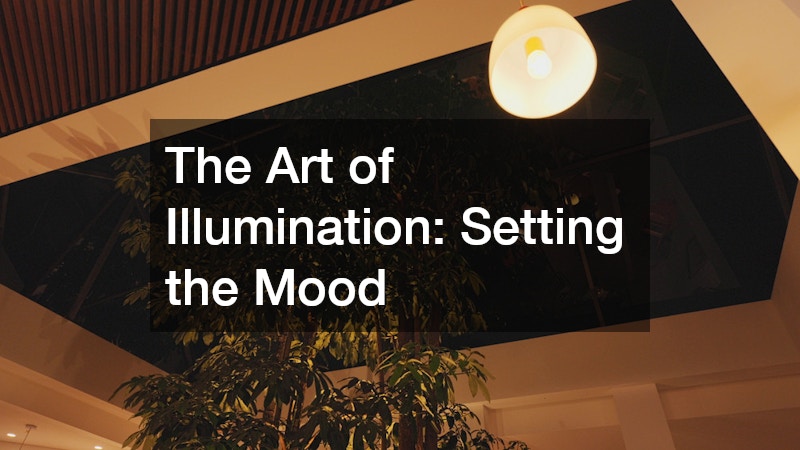
Lighting is the “secret sauce” of interior design. It has the power to make a small room feel expansive or a cold room feel cozy. A well-designed home lighting system utilizes “layering” to create depth. This involves combining ambient lighting (general overhead light), task lighting (reading lamps or under-cabinet lights), and accent lighting (spotlights on artwork or architectural features).
The technical execution of this design is just as important as the fixtures themselves. Flickering lights or poorly placed switches can be a constant source of frustration. This is where a skilled electrician becomes your best friend. They can help you install dimmers, move outlets to more convenient locations (such as inside drawers for charging tech), and ensure that your home’s circuitry can handle the demands of modern high-definition displays and kitchen appliances.
Strategies for Perfect Lighting
- The 2700K Rule: For residential interiors, look for bulbs with a color temperature of 2700K to 3000K. This provides a warm, inviting glow that mimics candlelight and makes skin tones look healthy.
- Automated Scenes: Set up “Good Morning” or “Movie Night” presets that adjust multiple lights at once via a smartphone or voice command.
- Highlight the Path: Use low-voltage LED strips under stairs or along baseboards for safe, high-aesthetic nighttime navigation.
- Install Motion Sensors: Place sensors in pantries, closets, and laundry rooms so the lights turn on automatically when your hands are full.
Bespoke Interiors: Custom Solutions for Clutter
Nothing kills a home’s aesthetic faster than clutter. Even the most expensive furniture looks cheap if it is surrounded by piles of mail, shoes, and tangled cords. The solution is “functional storage”—furniture that works harder so you don’t have to.
Instead of buying temporary plastic bins or mismatched bookshelves, look toward permanent, tailored solutions. Engaging custom cabinet services allows you to utilize every inch of your home’s footprint. Think of floor-to-ceiling libraries in the living room, hidden pantries in the kitchen, or built-in benches in the mudroom. These additions provide a sense of “belonging” that freestanding furniture simply cannot match.
Furthermore, these installations provide an opportunity to hide the necessary but ugly parts of modern life. You can work with a pro to provide the necessary electrical services inside your cabinetry, allowing you to hide your microwave, toaster, and charging stations behind beautiful wood panels. This creates a “clean” look that reduces visual noise and, by extension, mental stress.
Organizing for Aesthetics
- The “One-Touch” Rule: Design storage so that items can be put away with one hand. If it’s too hard to reach the bin, the clutter will stay on the counter.
- Integrated Tech: Ensure your built-ins have grommets and hidden channels for cable management.
- Hardware Matters: Don’t skimp on the handles and knobs. High-quality brass or matte black hardware acts like “jewelry” for your cabinets.
- Utilize Corner Space: Install “Lazy Susans” or pull-out kidney shelves in corner cabinets to turn dead space into high-functioning storage.
Curb Appeal: The Grand Entrance and Hardscaping
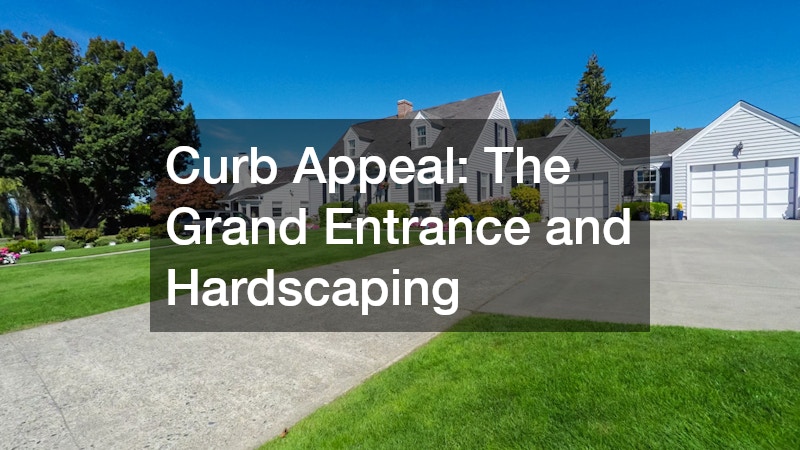
The transition from the street to your front door is the “handshake” of your home. It tells a story about who lives inside before a guest even rings the bell. While plants and flowers are important, the “bones” of your landscape—the hardscaping—provide the structure that lasts through all four seasons.
The most prominent feature of many front yards is the path of travel. Cracked concrete or stained asphalt can make even a mansion look neglected. This is why many homeowners turn to expert driveway contractors to reimagine their entryways. Whether you prefer the classic look of cobblestones, the sleek finish of pavers, or the durability of high-grade poured concrete, the material choice should complement the stone or brick of your home’s exterior.
Beyond just the main path, consider the secondary walkways and patios. Professional driveway paving services can often extend their expertise to creating backyard “outdoor rooms.” By using consistent materials throughout the property, you create a sense of unity and flow that makes the entire lot feel like a curated estate.
Actionable Landscaping Tips
- Focus on Drainage: A beautiful driveway is useless if it directs water toward your foundation. Ensure all hardscaping is graded correctly.
- Edge Your Lawns: A crisp, clean edge between the grass and the walkway is the fastest way to make a yard look professionally maintained.
- Nighttime Appeal: Add path lights along your new driveway and walkways to highlight the texture of the materials and provide safety for evening arrivals.
- Incorporate Native Plants: Use local flora around your hardscaping to reduce watering needs and ensure your garden thrives in the local climate.
Maintenance as Preservation: Keeping the Dream Alive
You have spent the time and money to remodel, landscape, and upgrade your home. Now comes the most important phase: preservation. Home maintenance is often viewed as a chore, but it is actually an act of protection. When you stay on top of small tasks, you prevent the “death by a thousand cuts” that leads to expensive, stressful renovations down the road.
A maintenance-focused mindset also keeps your home looking its best. A house that is “tight” and well-kept has a certain glow. This means cleaning the gutters before they overflow and damage the siding, power washing the driveway to remove oil stains and moss, and checking the attic for leaks after every major storm.
The Essential Maintenance Checklist
- Quarterly: Test smoke detectors, change HVAC filters, and inspect the exterior for any signs of pest intrusion.
- Bi-Annually: Deep clean the windows (inside and out) and check for any peeling paint on the trim. Exposed wood can rot quickly if the paint seal is broken.
- Annually: Have your water heater flushed and your chimney swept. These are safety issues as much as they are maintenance issues.
- Monthly: Walk the perimeter of your home to look for foundation cracks or loose siding that could indicate shifting or weather damage.
The Intersection of Technology and Craftsmanship
As we move deeper into the 2020s, the “smart home” is no longer a futuristic concept—it is a standard expectation. However, the goal of modern home technology should be to disappear. You want the benefits of a smart home without the house looking like a server room.
This is achieved by integrating technology into the very fabric of the home during the remodeling phase. For example, instead of having a nest of wires behind your TV, have a pro install “behind-the-wall” conduits. Instead of having a bulky security camera hanging from your porch, choose integrated doorbell cameras that blend into your hardware.
The most successful homes are those where craftsmanship and technology shake hands. A hand-carved wooden banister feels better under the hand when the hallway it sits in is perfectly lit by motion-sensing, recessed LEDs. A custom-built kitchen island is more useful when it features a hidden pop-up outlet for a blender. When you combine the skill of traditional trades with the possibilities of modern innovation, you create a living space that is truly “high-performance.”
Final Thoughts on the Holistic Home

Building a home that satisfies both the need for comfort and the desire for beauty is a marathon, not a sprint. It requires a willingness to invest in the things that aren’t always visible—the wiring, the pipes, the insulation—while never losing sight of the finishing touches that bring joy.
Whether you are just starting with a small landscaping project or embarking on a full-scale structural remodel, the key is to work with professionals who respect your vision. By prioritizing quality materials and expert installation, you ensure that your home remains a place of rest and inspiration for decades to come. Your home is your greatest asset; treat it with the care and creativity it deserves, and it will return the favor every time you walk through the front door.
About the Author